
"Central America beans"
4000 article(s) found
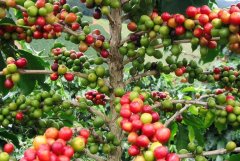
Nicaragua and Lemon Manor Nicaragua is located in central Central America, which is the largest in China and the United States.
Nicaragua, located in the middle of Central America, is the largest country in China and the United States, bordering Honduras in the north, Costa Rica in the south, the Caribbean Sea in the east and the Pacific Ocean in the west. The eastern part is the coastal plain, the high temperature and rainy climate belongs to the tropical maritime climate, and the western part is the coastal lowland with more active volcanoes. The north-central part is a highland, with an average annual temperature of 18 ℃ and an annual precipitation of 1500-2500mm.

Introduction to the basic knowledge of Coffee Coffee Machine Heat Exchange Boiler
● Mexico (Central America), the main coffee producer in Central America, has a comfortable taste and charming aroma. The Mexican coffees selected are Coatepec, Huatusco and Orizaba, among which Cottpe is considered to be one of the best in the world. The coffee cultivation belt of this country, regardless of geographical or climatic conditions, is related to

American coffee what are the American coffee producing areas the characteristics of American coffee beans
Professional coffee knowledge exchange more coffee bean information please follow the coffee workshop (Wechat official account cafe_style) understanding Central American Coffee-Central America is the land bridge connecting North and South America, there are seven countries, namely, Belize, Costa Rica, El Salvador, Guatemala, Honduras, Nicaragua and Panama. All seven countries in Central America produce coffee, including Guatemala

Nicaraguan Coffee Coffee beans from Central America
Nicaragua is located in central Central America, bordered by the Pacific Ocean to the west and the Caribbean Sea to the east. The highlands in the north and the coastal plains in the east are part of the Central American volcanic belt. The eastern plain is high-temperature and rainy, with a tropical maritime climate. The suitable climate provides an excellent growth environment for the cultivation of coffee. High-quality Nicaraguan coffee, grown in the north and middle of the country. Coffee is Ni.

Do American coffee beans represent that there are many coffee-growing places in America? evaluation of Central and South American Coffee
Professional Coffee knowledge Exchange more information about coffee beans Please follow the coffee workshop (official Wechat account cafe_style) every morning, millions of people around the world like to have a cup of coffee to start the day. In doing so, they may not know the exact location of the beans used to produce lattes or black coffee. Generally speaking, the top coffee growing and exporting regions in the world
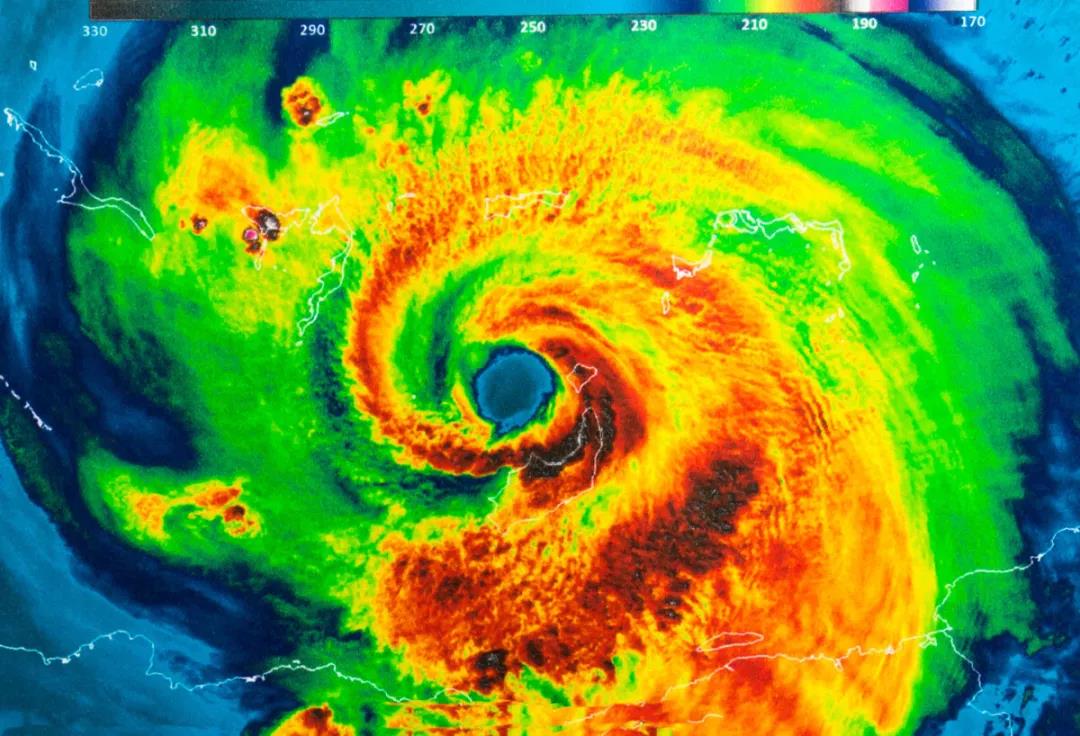
The hurricane hit the Central American producing area and reduced the production of coffee beans in many countries in Central America to varying degrees.
Professional coffee knowledge exchange more coffee bean information please follow the coffee workshop (Wechat official account cafe_style) on November 3, 2020, Category 4 Hurricane ETA (later downgraded to a tropical storm) made landfall in Central America. The hurricane caused varying degrees of losses in Nicaragua, Guatemala, Honduras, El Salvador and Panama, as well as Costa Rica, Mexico and Jamaica.

Renas Manor in the Santa Ana Volcano region of El Salvador in the north of Central America
The Republic of El Salvador, located in the north of Central America, is the most populous country in Central America. The country is bordered by Honduras to the north, the Pacific Ocean to the south and Guatemala to the northwest. The national economy is dominated by agriculture, and the main crops are coffee and cotton. El Salvador is also one of the birthplaces of ancient Mayan culture, with not only distant culture, but also volcanoes, plateau lakes and Pacific coast.
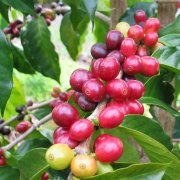
Boutique coffee SL28 variety is extremely rare in Central America, this tree species originated from Tanzania in East Africa
SL28 is extremely rare in Central America. This tree species originated from Lake Tanganyika in East Africa. It was discovered in 1931. Its leaves are broad and reddish. It can adapt to quite high altitude environment. It has excellent drought resistance and disease resistance. It also has higher yield than traditional trees. The performance of flavor is also unique. 1935 Scottish Labo

Grinding and roasting of boutique coffee beans at Manor Lina, Nicaragua, one of the poorest countries in Central America
Nicaragua is one of the major coffee-producing countries, producing high-quality coffee. Even coffee from the Antigua Mountains of Guatemala, which is famous in Asia, imports raw beans from Nicaragua. Although Nicaraguan coffee is not famous in Asia, Nicaragua coffee is already famous all over the world (Starbucks has many cooperative coffee farmers in Nepal), while several coffee-producing countries in Central America

What is the taste of coffee beans? what is the origin of coffee? coffee producing areas.
Mantenin (Indonesia, Sumatra, Asia) Acid 0 Glycerol 3 Alcohol 3 aroma 3 characteristic Flavor Blue Mountain (Jamaica, Central America, West Indies) Acid 1 Glycerol 3 bitter Alcohol 3 aroma 3 the highest quality Columbia (Colombia, South America) Acid 2 Glycerol 3 bitter Alcohol 3 aroma 2 most Standard quality Mocha (Isbiya, Africa) Acid 3 Glycine 2 bitter 1 Alcohol 2 aroma 2

Coffee in Central America introduces the name and cultivation of coffee producing areas in seven countries.
For professional baristas, please follow the Coffee Workshop (official Wechat account cafe_style) 200Coffee School the land bridge between Central America and North and South America, there are seven countries: Belize, Costa Rica, El Salvador, Guatemala, Honduras, Nicaragua and Panama. Coffee is produced in seven Central American countries, including Guatemala, Costa Rica and Honduras.

Characteristics of coffee beans from three regions-Characteristics of coffee beans from Central and South America
Characteristics of coffee beans from three regions-Characteristics of coffee beans from Central and South America Arabica Arabica beans, world-famous blue mountain coffee, mocha coffee, etc., almost all Arabica species. Appearance: bean shape smaller, positive was long oval, narrow and tortuous cracks in the middle, beans back arc shape more flat, consistent size, uniform color luster. Origin: Arabica coffee
Nicaragua SHG boutique coffee beans the most classic flavor of coffee from Matagalpa, Central America.
Like most Central American coffee-producing countries, Nicaragua grows very well, with most high-end coffee beans coming from high-altitude estates, and these beans represent SHG grade (Strictly High Grown). Most of Nicaragua grows traditional coffee varieties, such as Tibica, bourbon, National Treasure Coffee, etc., as well as some Caturra coffee trees.
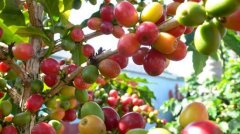
Martinique coffee beans are also the birthplace of coffee in Central America.
Martinique is a small island and the birthplace of coffee in Central America, but it produces very little coffee today. The first coffee tree in the Western Hemisphere was brought from France by GabrielMathieudeClieu in the early 1820s. In his early years, Dirkley was a naval officer in Martinique. He brought back a coffee tree and planted it in Pritchell.

Nicaraguan Coffee treated with Water in Central America Matagalpa is introduced.
The suitable climate provides an excellent growth environment for the cultivation of coffee. The mineral-rich pozzolanic soil provides abundant nutrients for the cultivation of coffee trees. High-quality Nicaraguan coffee is also grown in the northern and central highlands of the country. The best coffee is produced in Matagalpa (Matagalpa), which is highly respected by coffee lovers all over the world.

A brief introduction to Renas Manor in the Santa Ana Volcano region of El Salvador in the north of Central America
The Republic of El Salvador, located in the north of Central America, is the most populous country in Central America. The country is bordered by Honduras to the north, the Pacific Ocean to the south and Guatemala to the northwest. The national economy is dominated by agriculture, and the main crops are coffee and cotton. El Salvador is also one of the birthplaces of ancient Mayan culture, with not only distant culture, but also volcanoes, plateau lakes and Pacific coast.

A brief introduction to the Market Price of Fine Coffee Bean varieties in Los Congo Manor in Central America
Beautiful sour taste, moderate mellow Nicaraguan coffee belongs to the Central and South American style coffee, although the acidity is not very high, but it feels refreshing. The mellow degree is also not high, but the overall feeling is just right, neither thin nor too strong. To make it easier to accept. The taste of red wine can be vaguely felt in the shallow sour taste, which is also a major feature of Nicaraguan coffee.

Coffee Network recommends Ataisi Manor in El Salvador, America, micro-batch washing Pacamara Pacamara.
El Salvador is located in Central America, bordered by Guatemala and Honduras in the north, and the Pacific coastline in the west and south. El Salvador is the smallest country in Central America and the most densely populated country in Central America. Although the territory of El Salvador is small, it has dozens of volcanoes. It is the country with the highest density of volcanoes in the world, so it is called the country of volcanoes. Full

Introduction to the flavor of Nicaraguan coffee producing area located in central Central America
When tasting Nicaraguan coffee, it is best to drink cold water first, so that you can better feel its mellow taste. Drink coffee while it is hot, because the tannins in Nicaraguan coffee are easy to change during cooling, and the taste becomes sour, which will affect the flavor of the coffee. You can add the right amount of sugar, and then add cream. Enjoy a cup of high quality Niga

Nicaragua's poorest coffee plantation in Central America Joy coffee plantation Climate altitude profile
Nicaragua is located in central Central America, bordered by the Pacific Ocean to the west and the Caribbean Sea to the east. North central highlands, coastal plains to the east, is part of the Central American volcanic belt. The eastern plain is hot and rainy, and has a tropical marine climate. Suitable climate provides a good growing environment for coffee cultivation. High quality Nicaragua coffee, grown in the north and centre of the country. Coffee is black.